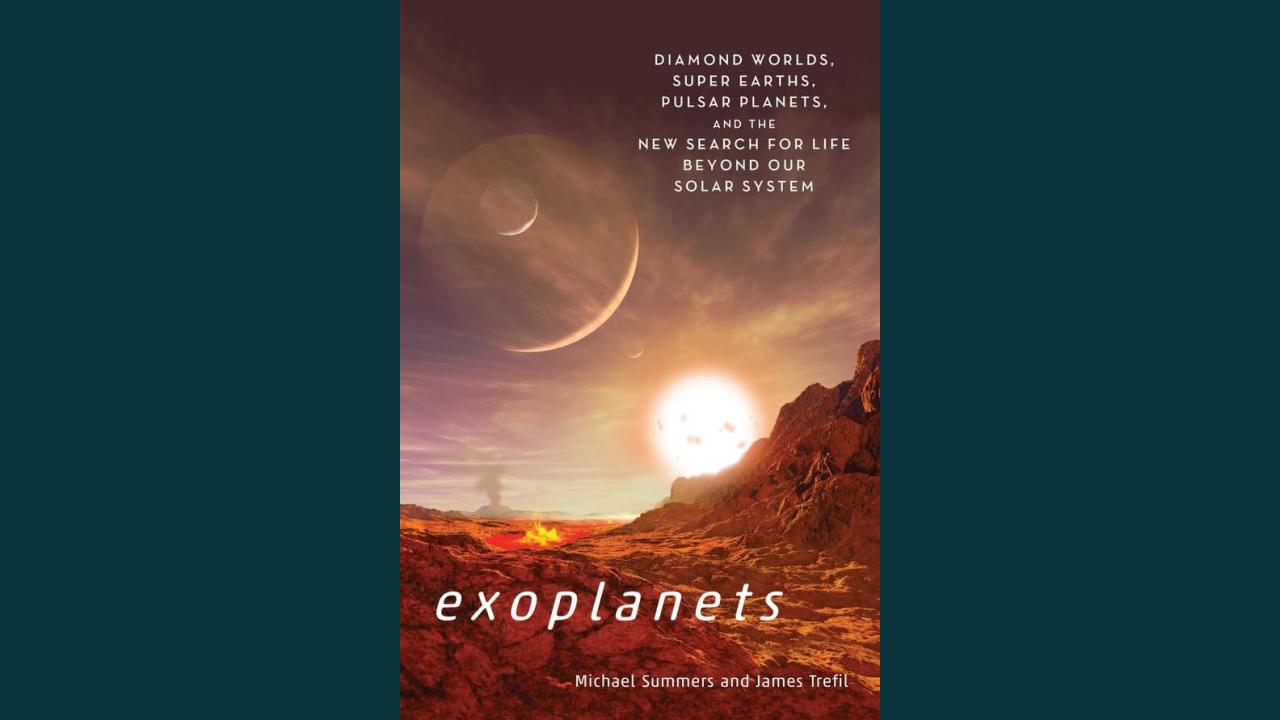
Exoplanets: Diamond Worlds, Super Earths, Pulsar Planets, and the New Search for Life beyond Our Solar System

The past few years have seen an incredible explosion in our knowledge of the universe. Since its 2009 launch, the Kepler satellite has discovered more than two thousand exoplanets, or planets outside our solar system. More exoplanets are being discovered all the time, and even more remarkable than the sheer number of exoplanets is their variety.

In Exoplanets, astronomer Michael Summers and physicist James Trefil explore these remarkable recent discoveries: planets revolving around pulsars, planets made of diamond, planets that are mostly water, and numerous rogue planets wandering through the emptiness of space. This captivating book reveals the latest discoveries and argues that the incredible richness and complexity we are finding necessitates a change in our questions and mental paradigms. In short, we have to change how we think about the universe and our place in it, because it is stranger and more interesting than we could have imagined.
Source

OnAir Post: Exoplanets: Diamond Worlds, Super Earths, Pulsar Planets, and the New Search for Life beyond Our Solar System

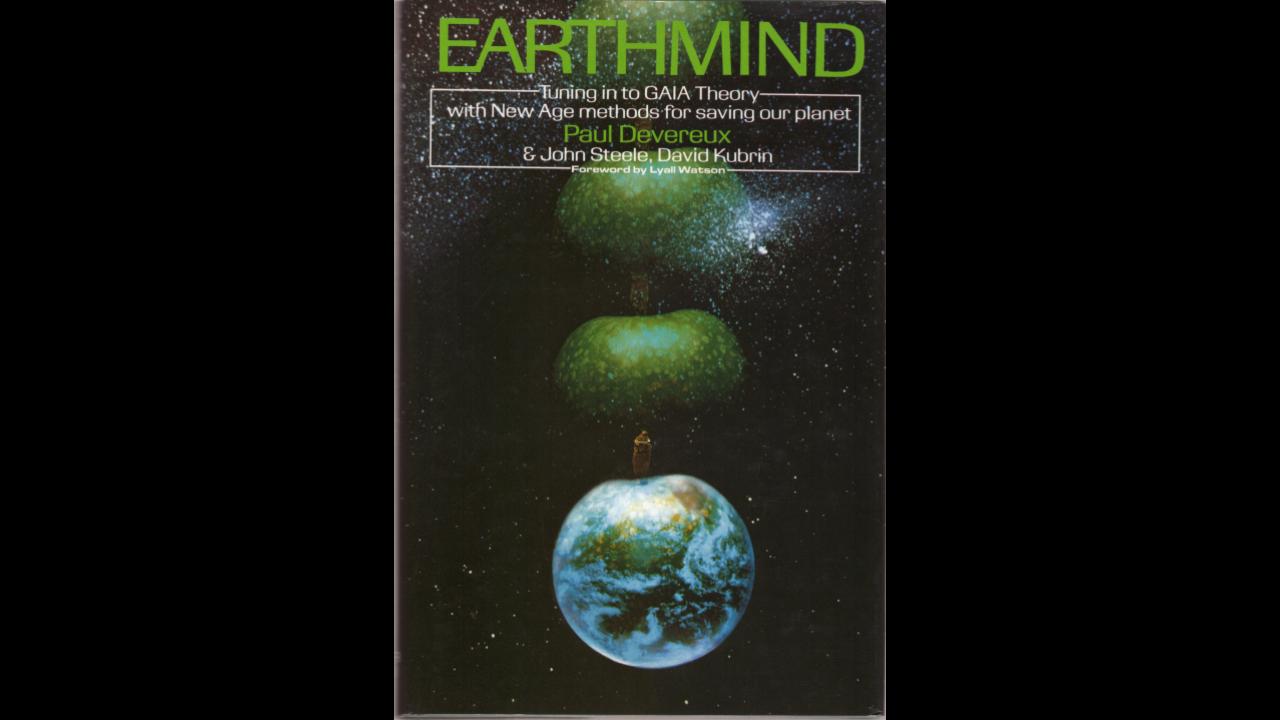
Earthmind: A modern adventure in ancient wisdom

Discusses the Gaia theory–the idea that the earth is a single living organism–and argues that by adopting this philosophy the planet can be saved

Source: Amazon Books

OnAir Post: Earthmind: A modern adventure in ancient wisdom

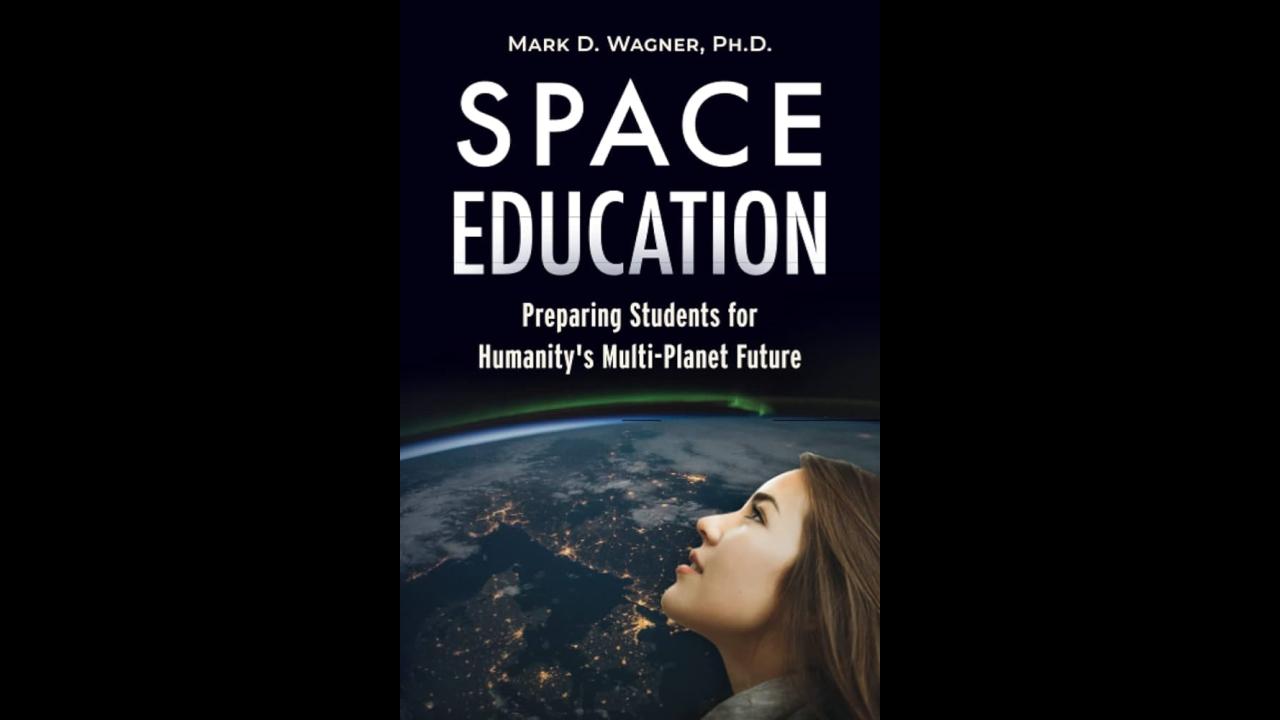
Space Education: Preparing Students for Humanity’s Multi-Planet Future

In the next decade, humans plan to establish a permanent presence on the moon, launch several commercial space stations, and make a first trip to Mars. The global space economy is growing rapidly, and many industries will be transformed in the next ten years by space technologies…

How might we best prepare today’s students for humanity’s rapidly approaching multi-planet future?

In this book, Mark Wagner, Ph.D. explores answers to this question, based on foundations of effective teaching and learning – and effective educational technology. The book also looks even further ahead to consider how we might best educate students once civilian communities are in place on the Moon, Mars, and elsewhere in the rest of the solar system. The final part of the book includes a more philosophical consideration of ethics, sustainability, and governance.

OnAir Post: Space Education: Preparing Students for Humanity’s Multi-Planet Future

Space Education: Preparing Students for Humanity’s Multi-Planet Future

In the next decade, humans plan to establish a permanent presence on the moon, launch several commercial space stations, and make a first trip to Mars. The global space economy is growing rapidly, and many industries will be transformed in the next ten years by space technologies…

How might we best prepare today’s students for humanity’s rapidly approaching multi-planet future?

In this book, Mark Wagner, Ph.D. explores answers to this question, based on foundations of effective teaching and learning – and effective educational technology. The book also looks even further ahead to consider how we might best educate students once civilian communities are in place on the Moon, Mars, and elsewhere in the rest of the solar system. The final part of the book includes a more philosophical consideration of ethics, sustainability, and governance.

OnAir Post: Space Education: Preparing Students for Humanity’s Multi-Planet Future

Skip to toolbar